
As we conclude this week, the Collaborative returns with another Stories of the Week recap. From Immigration and Customs Enforcement plans to purchase electric shock gloves for immigration enforcement to more African nations accepting immigrants as they are deported from the U.S., here are the top stories impacting im/migrant well-being this week.
– Rick Tzompa Chimal, Communications and Policy Intern
TOP STORY OF THE WEEK
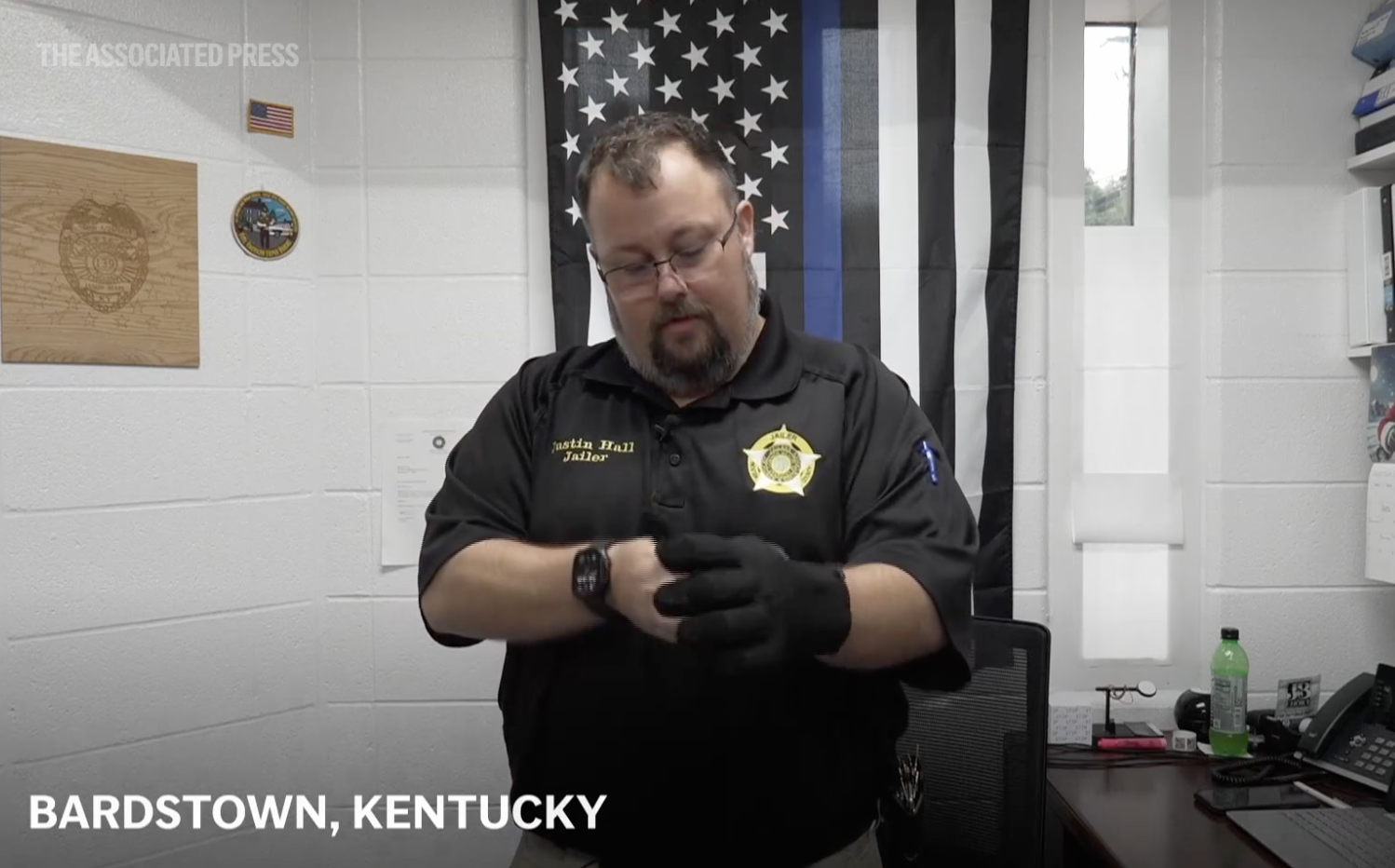
Immigration and Customs Enforcement plans to spend up to $20 million on gloves that deliver an electric shock when agents touch a person’s bare skin, with officials defending them as a less-lethal tool intended to help officers gain control of people during arrests. The proposal raises concerns for im/migrant well-being because the use of painful electrical devices during immigration enforcement could increase fear, physical harm, and psychological distress in communities already experiencing heightened anxiety about detention and deportation.
White House border czar defends ICE electric shock gloves as tools to avoid deadly force
NATIONAL STORIES OF THE WEEK
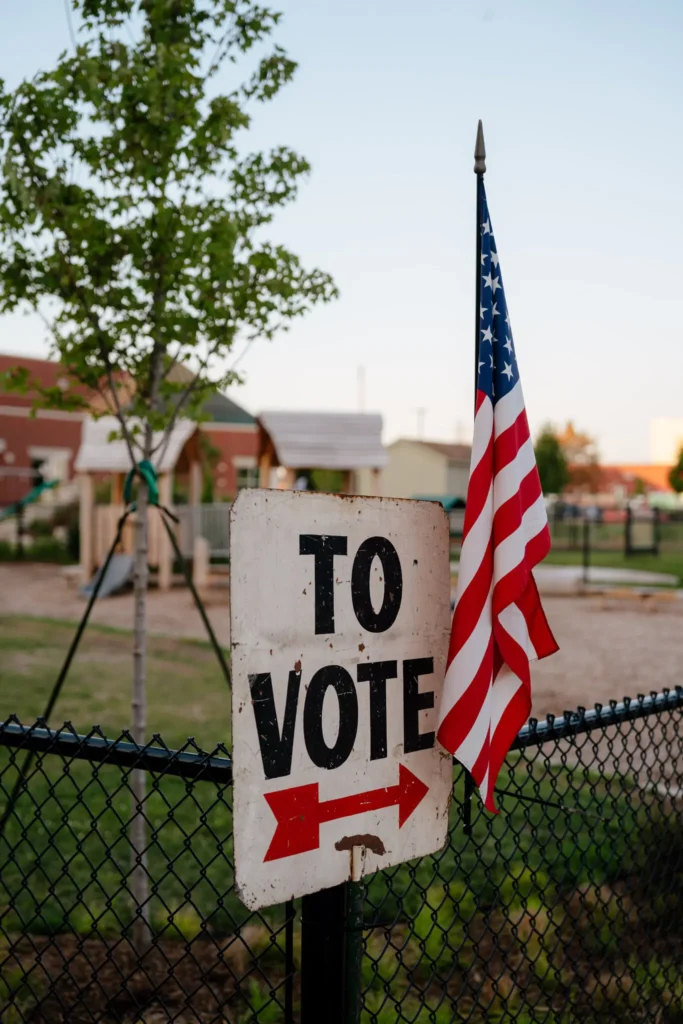
Homeland Security Intensifies Pursuit of Noncitizens on Voter Rolls
The Trump administration is intensifying efforts to prevent noncitizens from voting and is using claims of widespread noncitizen voting to support stricter election requirements, despite evidence showing that illegal noncitizen voting is extremely rare. For im/migrants, the crackdown may increase fear and confusion around civic participation, particularly among naturalized citizens who could be incorrectly flagged by citizenship-verification systems and potentially face disenfranchisement or increased scrutiny.
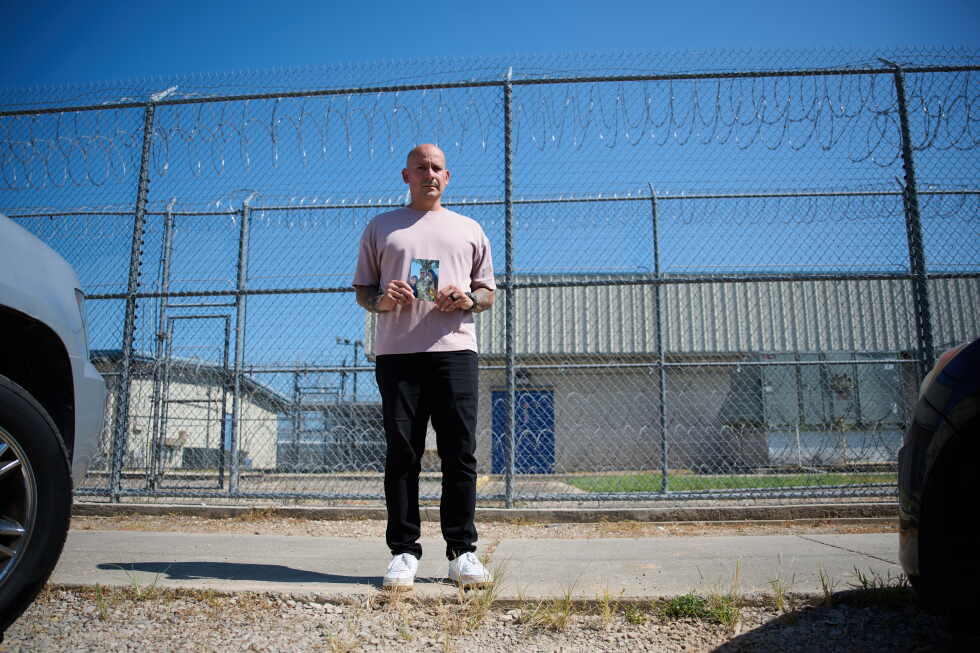
Wife of US soldier is removed from deportation flight and released from federal immigration custody
The wife of U.S. Army Staff Sgt. Alexis Jaramillo, Maisa Lopes Eliaser, was removed from a deportation flight to Brazil and released from federal immigration custody after spending more than a month detained, following congressional intervention and public scrutiny of immigration enforcement involving military families. Her case highlights the emotional and psychological toll immigration detention can have on im/migrant military families, including family separation, disruption to military service, and trauma caused by prolonged uncertainty over a loved one’s immigration status.
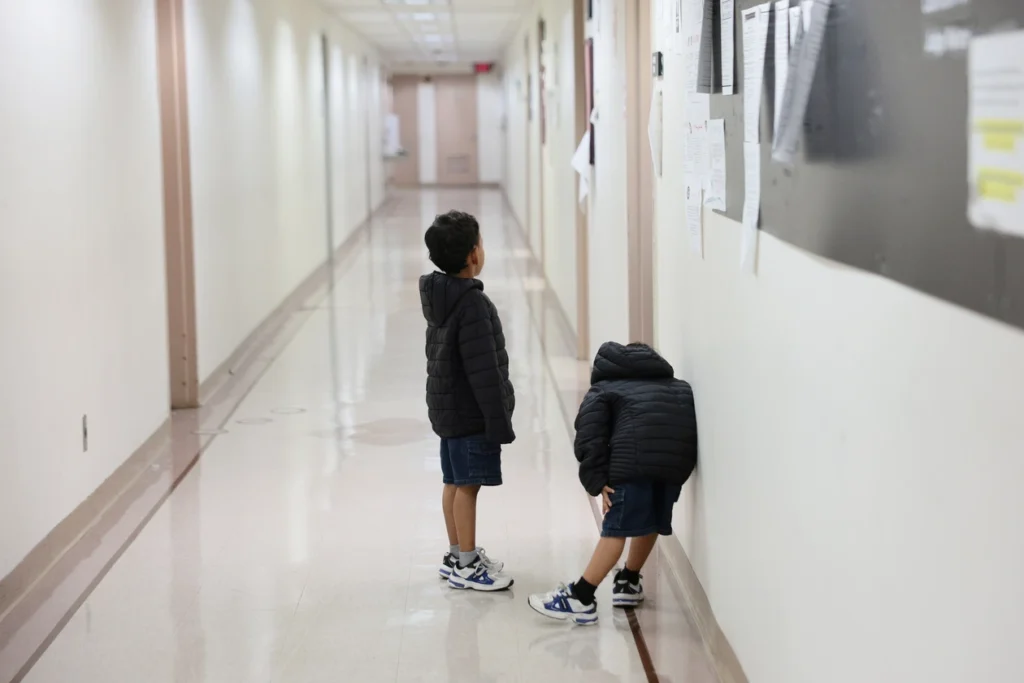
The Trump administration is reducing legal pathways for immigrant kids to stay in the US
The Trump administration is moving to further restrict immigration pathways and protections available to children and young immigrants, continuing a broader effort to reduce avenues for migrants to legally enter, remain, or obtain status in the United States. These changes can undermine im/migrant children’s well-being by increasing uncertainty about their futures, separating families, limiting access to legal status, and making it harder for young people who have grown up in the United States to secure long-term stability.
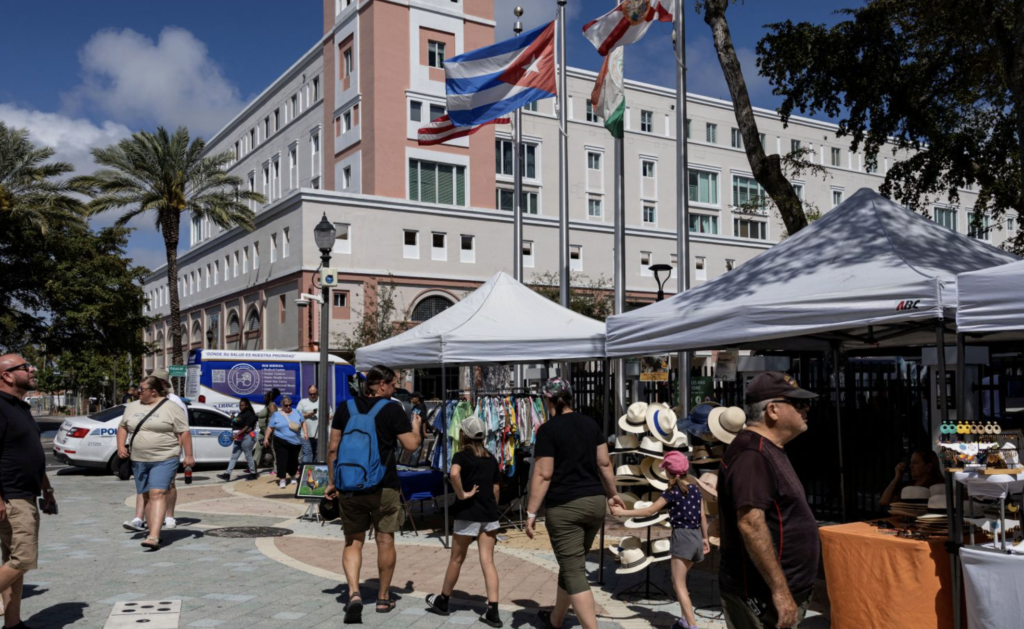
‘The party of the Cubans’: How Republicans courted a key South Florida vote
Cuban American voters in South Florida remain an important Republican constituency, with the party having strengthened its relationship with the community through anti-communist messaging and opposition to Democratic immigration policies, even as some Cuban Americans express frustration with the Trump administration’s immigration crackdown. The political shift can affect im/migrant well-being by demonstrating how immigration policies can create divisions within Latino communities, particularly when policies favored by some Cuban Americans may simultaneously place other immigrant groups at greater risk of detention, deportation, or reduced legal protections.
INTERNATIONAL STORIES OF THE WEEK
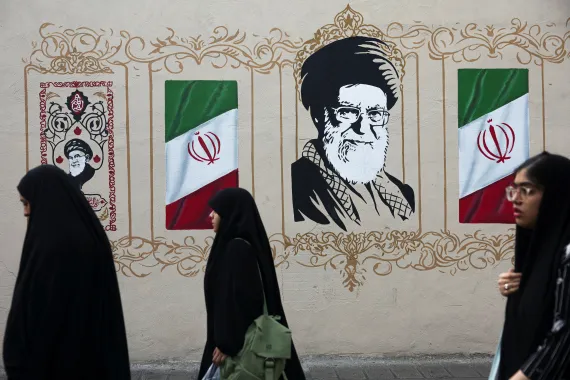
US says can maintain blockade on Iran ‘indefinitely”
The United States and Iran continue to dispute control of the Strait of Hormuz, with Iran claiming it controls the strategic waterway while the United States says it can maintain its blockade and allow ships to pass. Continued conflict and instability in the region can negatively affect im/migrant well-being by increasing displacement, uncertainty, and economic hardship for people from Iran and neighboring countries while potentially making migration and family reunification more difficult.

More African countries accept US deportees
More African countries are agreeing to accept people deported from the United States, including migrants who are sometimes being sent to countries with which they have little or no connection as the Trump administration expands third-country deportation arrangements. These arrangements create serious concerns for im/migrant well-being because deportees may be transferred to unfamiliar countries where they lack family, community support, or adequate protections, increasing risks of detention, insecurity, isolation, and human-rights violations.
HEART-WARMERS OF THE WEEK
Thank you for reading the IWB Stories of the Week series! Stay tuned for next week’s edition.
Rick Tzompa Chimal, serves as the Communications and Policy Intern at the Im/migrant Well-Being Scholar Collaborative. He contributes by writing blog posts, translating materials, and assisting with research.