
The 2026 Well-Being and Immigration Enforcement Survey
The 2026 Survey on Well-Being and Immigration Enforcement examines how the current immigration enforcement climate shapes the daily behaviors, community perceptions, and well-being of US adults. The nationally representative survey was led by the Im/migrant Well-Being Scholar Collaborative with support from the Cisneros Institute at the George Washington University and the Im/migrant Well-Being Research Center at the University of South Florida in July 2026.

Findings from the study will be released through a series of forthcoming reports and academic papers. To remain informed of upcoming releases, sign up for updates.
KEY FINDINGS
The majority of Americans believe that the US government should do more to protect immigrants’ well-being.
60.4% of respondents agree with the statement: “The US government should do more to protect the well-being of immigrants.”
Current immigration enforcement practices in the US are negatively impacting Americans’ well-being.
From negative impacts on mental health to increased stress to a weakening sense of belonging, current practices are negatively impacting US citizens.
The negative impacts of immigration enforcement on Americans is eroding well-being, trust, and productivity.
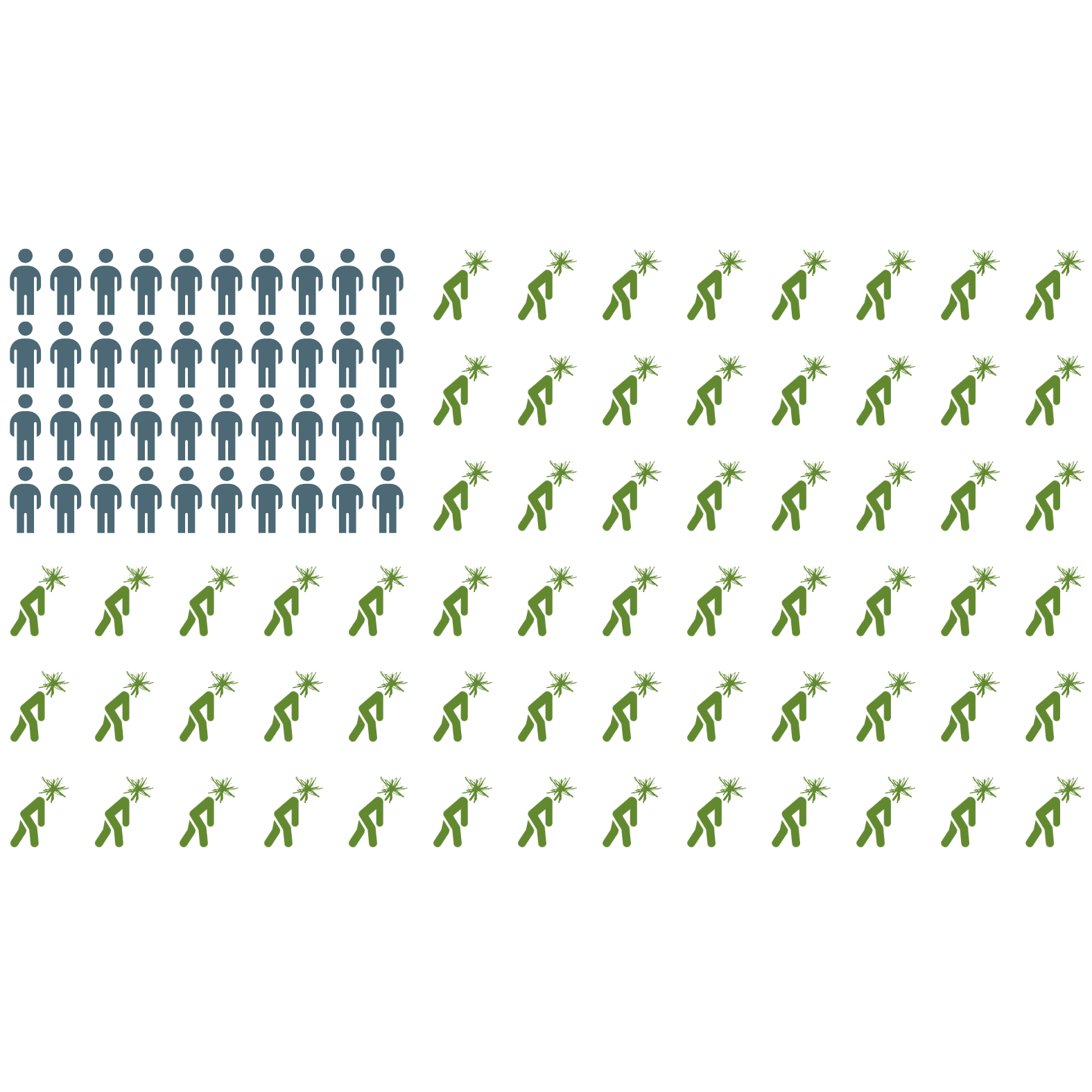
The majority of Americans report higher stress and anxiety due to immigration enforcement.
In our study 60.4% of respondents reported that they experienced stress because of what they had seen, heard or read about immigration enforcement activities since January 2026. 36.81% reported that they experienced this stress frequently or more often.
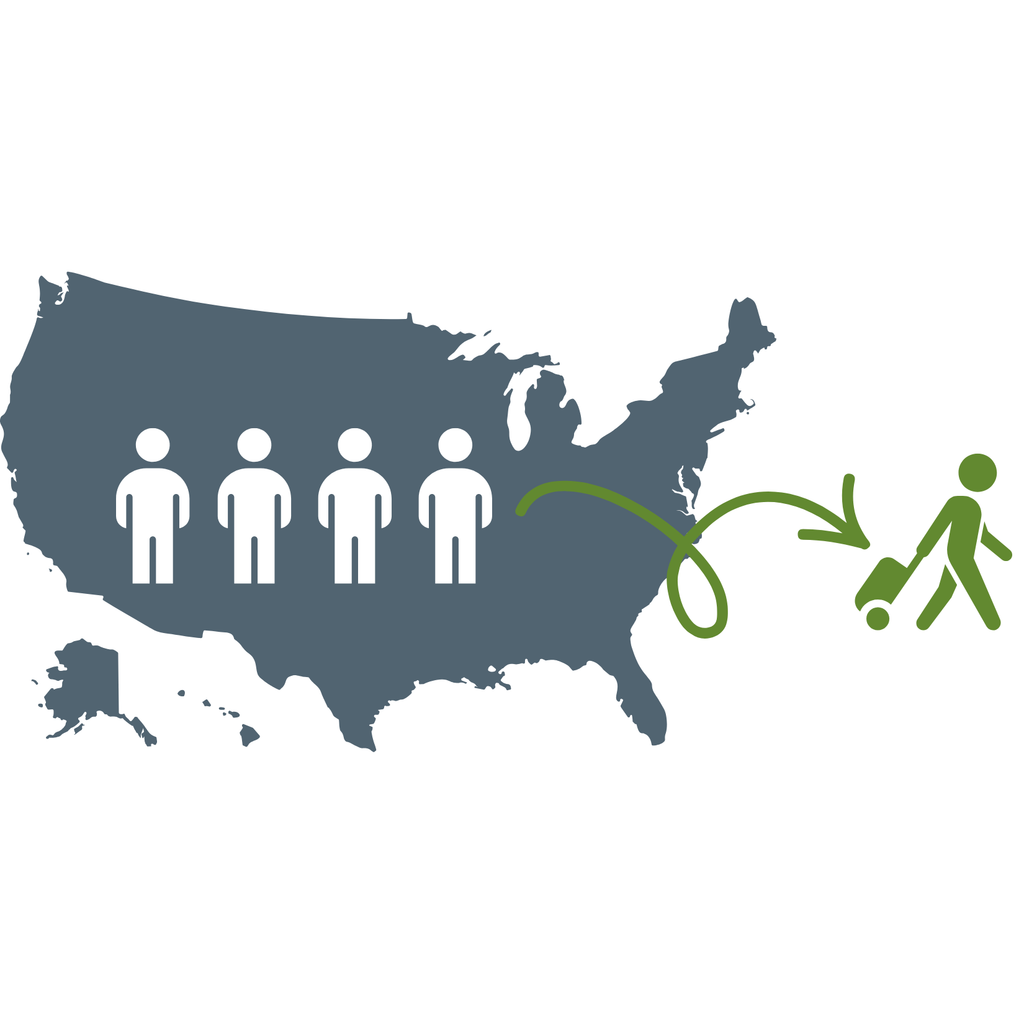
1 in 5 Americans have considered leaving the US due to immigration enforcement.
19.29% of survey respondents reported that they have considered leaving the US due to current immigration enforcement actions. This number is even higher for Hispanic respondents, with 26.71% saying they have considered leaving.

Registered voters’ confidence in the future of the country has fallen to half of what it was a decade ago.
Compared to 45% in a 2015 general population survey by Pew, only 22.6% of survey respondents felt very confident about the country’s future. Less than 50% of registered voters in our sample agreed with the statement “I trust the country will be ok” due to perceptions related to immigration enforcement.
The 2026 Survey on Well-Being and Immigration Enforcement was conducted via an online Qualtrics survey in July 2026 with a nationally representative panel of 1,410 respondents. This study is co-led by Elizabeth Vaquera (The George Washington University), Elizabeth Aranda (University of South Florida), and Trey Johnston (the Im/migrant Well-Being Scholar Collaborative). Additional support and analysis is provided by The Collaborative’s Research Development Lead, Liz Ventura Molina, and Policy Lead, Thomas Rachko, Jr.
For this survey, immigration enforcement activities refers to actions taken by federal, state, or local authorities to enforce US immigration laws. This includes activities carried out by agencies such as US Immigration and Customs Enforcement (ICE), the National Guard, and local law enforcement acting in partnership with federal authorities through 287(g) agreements.